ISSUE
Blocked access
Vegetation can close off docks, ramps, inlets, pond edges, and narrow channels.
Water Raptor removes cattails, phragmites, floating mats, and invasive weeds across Utah using amphibious Truxor equipment and manual crews for tight-access shoreline areas.
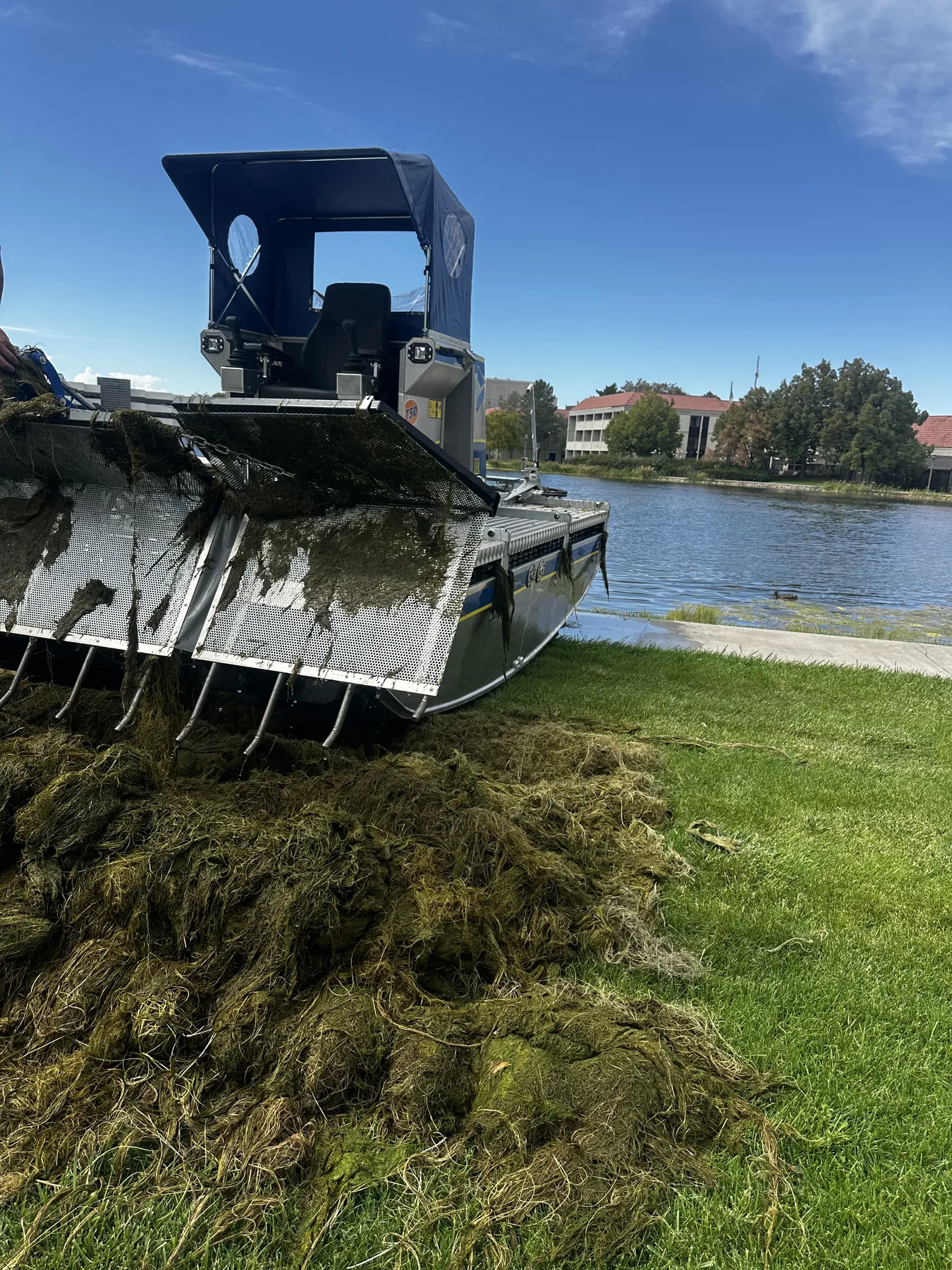
Most jobs start with access, growth, or site-condition problems. We look at what is growing, where it is spreading, and how equipment can safely reach it.
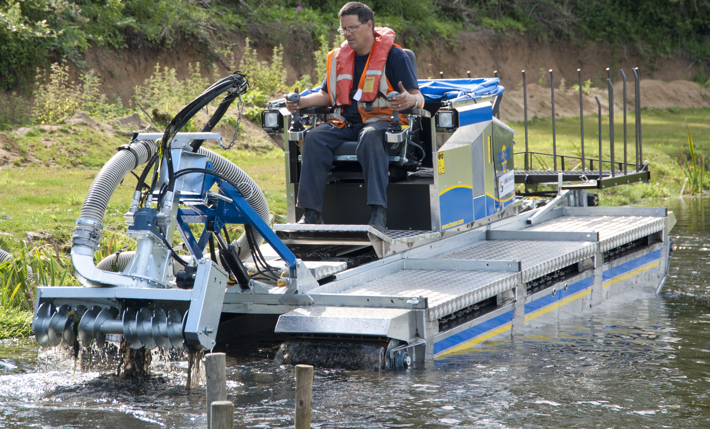
Vegetation can close off docks, ramps, inlets, pond edges, and narrow channels.
Cattails, reeds, phragmites, and floating mats can move fast when left unmanaged.
We match mechanical harvesting, manual removal, herbicide application, or support services to the site.
Shallow water, soft banks, narrow edges, and equipment access all affect the best removal approach.
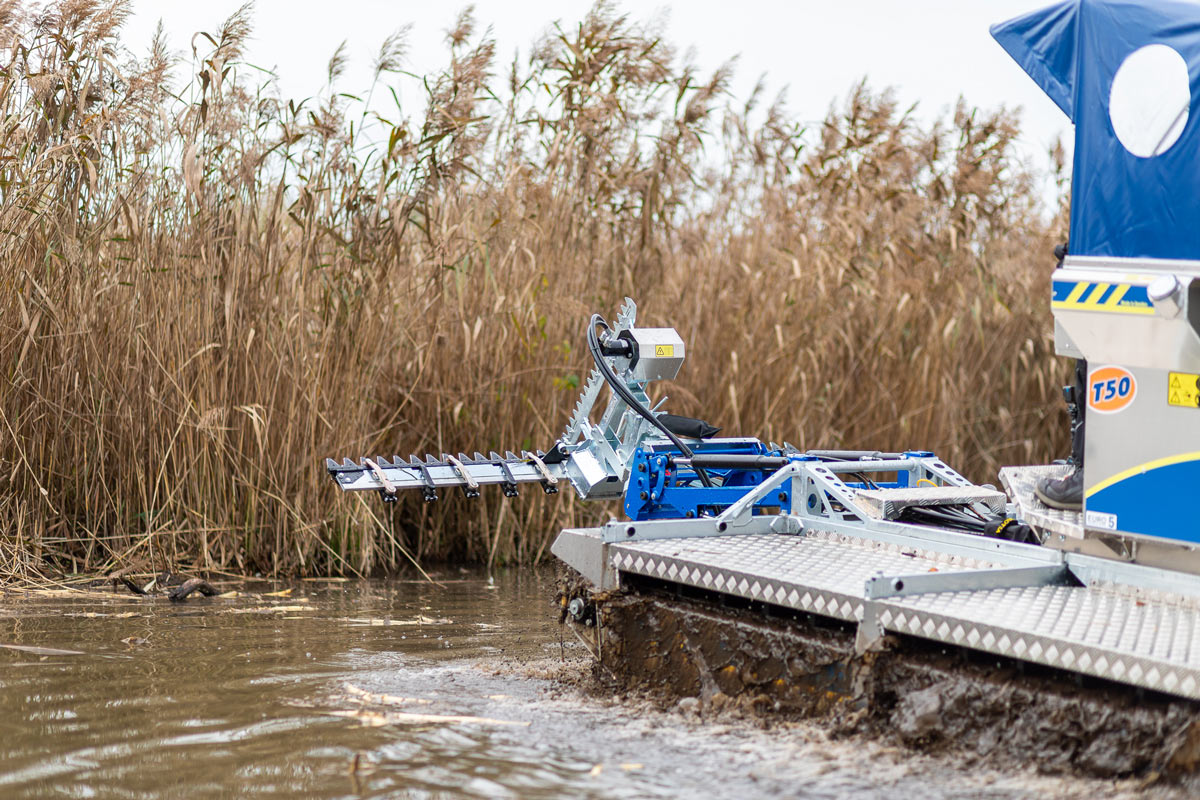
Real-world aquatic restoration and shoreline work. Our team brings practical, industrial solutions to overgrown ponds, lakes, and waterways.
Many pond and shoreline problems are access problems first. The Truxor lets crews work in shallow water, soft banks, narrow channels, and vegetation-heavy areas without draining the site or bringing in oversized equipment.
Every site is different. The point is to identify what is limiting access, what is spreading, and whether mechanical harvesting, manual removal, herbicide, or maintenance is the right next step.
Find the right solution.
Choose the field condition that looks closest to your site. We will point you to the service that usually solves that problem first.
Field read
Dense vegetation and brush along the edge begin swallowing usable shoreline, shrinking safe movement and making the waterline look unmanaged.
Shoreline & Access Clearing
This service focuses on reopening banks, edges, and approach paths so access returns quickly without needing broad treatment across the whole site.
View Shoreline & Access ClearingField read
Cattails spread outward and thicken in shallow zones, limiting visibility and making routine pond maintenance harder every season.
Invasive Plant Removal
Targeted invasive removal is usually the best fit because it addresses root overgrowth in the specific areas where cattails are taking over.
View Invasive Plant RemovalField read
Surface mats collect across open water and near inlets, reducing usable water and creating heavy-looking, congested pond surfaces.
Aquatic Vegetation Harvesting
Mechanical harvesting is typically the fastest practical path for cutting, collecting, and hauling floating biomass out of the water body.
View Aquatic Vegetation HarvestingField read
Perimeter and shallow-water growth starts to dominate retention features, making them look neglected and reducing maintenance access.
Aquatic Vegetation Harvesting
Harvesting usually fits this condition because it restores visible control and improves workable access for ongoing pond upkeep.
View Aquatic Vegetation HarvestingField read
Narrow channels and conveyance paths become obstructed by plant buildup, reducing clear passage and complicating routine flow management.
Truxor Amphibious Work
Amphibious access is often the best option where conventional equipment cannot safely reach soft banks, shallow edges, or constrained waterways.
View Truxor Amphibious WorkField read
Docks, launch points, and routine approach lines are gradually blocked by shoreline and near-edge growth, limiting day-to-day use.
Shoreline & Access Clearing
Access clearing is usually the strongest fit when the core problem is practical movement to and along the water, not just open-water appearance.
View Shoreline & Access ClearingSee our team in action restoring access, removing invasive plants, and improving water quality for our clients.
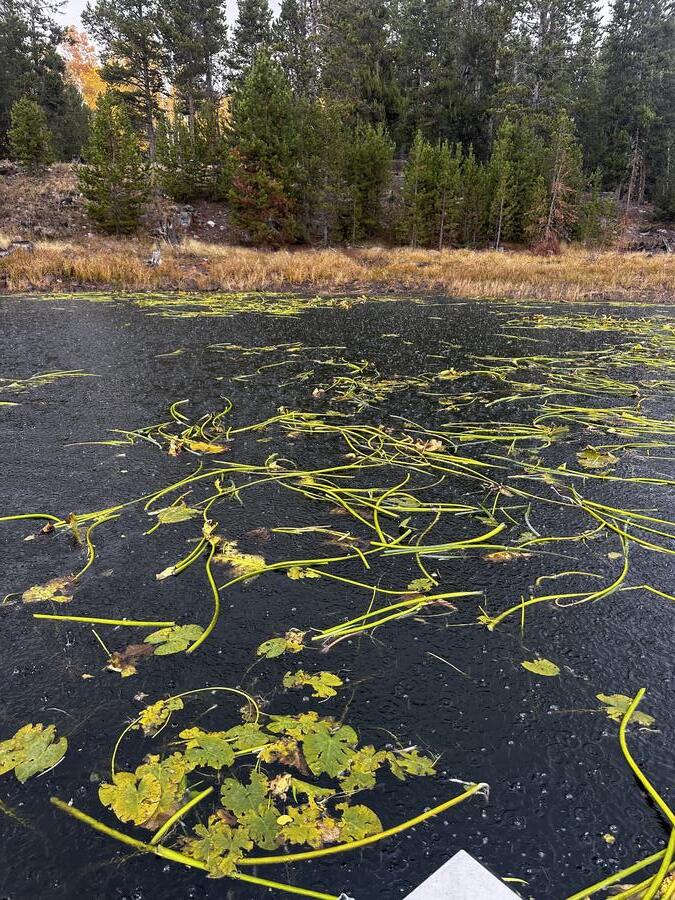
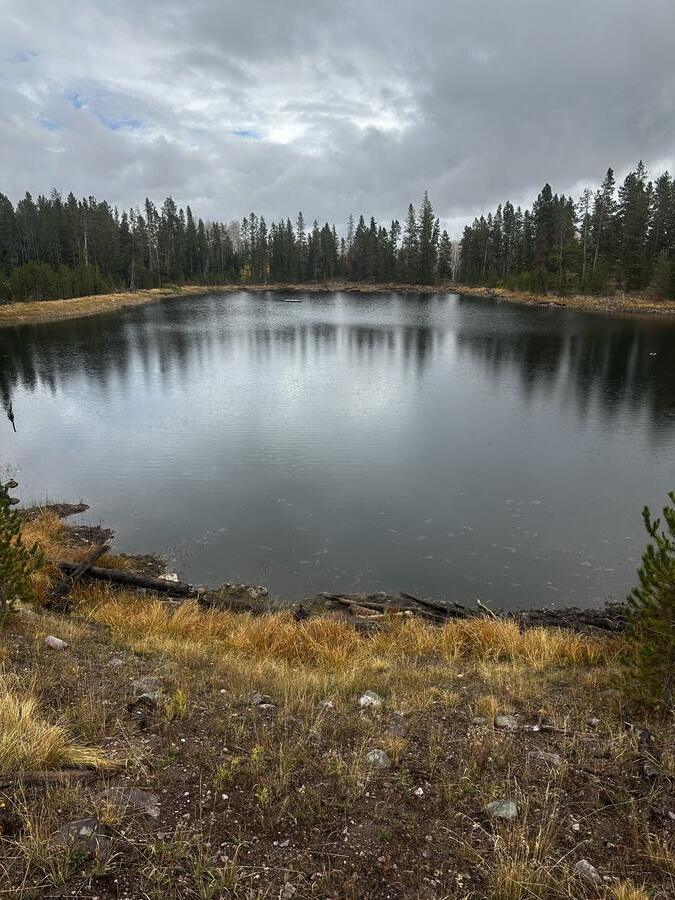
Aquatic harvesting is used to remove overgrown weeds and restore access in ponds, lakes, canals, and retention basins without draining the site.
HOAs, municipalities, golf courses, farms, ranches, and private pond owners call us when overgrowth blocks access, visibility, and shoreline usability.
Cattails, phragmites, reeds, duckweed, floating mats, and shoreline brush that choke access or spread through shallow water edges.
We offer aquatic weed removal, shoreline access clearing, pond and lake maintenance, and more for Utah water bodies.
Yes, we serve all major regions in Utah. Contact us for specific service area details.
We use mechanical harvesting, manual removal, herbicide application, and ongoing maintenance depending on site needs.
Tell us what is growing, where it is, and how access looks. We will recommend a practical harvesting, removal, treatment, or support approach.
No generic promises. We review your site details first, then recommend a scope path that matches actual field constraints.
Request a Quote